American Football Elements 3D SVG: A Graphic Designer’s Perspective
As a professional graphic designer who regularly works with branding, packaging, and digital design assets for small businesses and creative marketplaces, I recently reviewed the American Football Elements 3D SVG collection. My goal was to assess its suitability for a real-world project—a local sports-themed boutique launching a new product line in time for the fall season. This is the kind of scenario where visual impact matters, and design assets must perform both creatively and technically.
First Impressions: Bold, Thematic, and Ready to Use
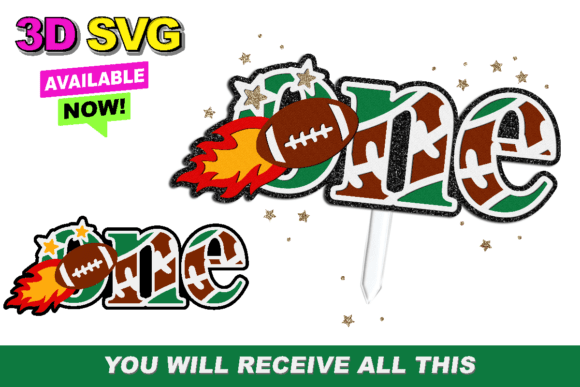
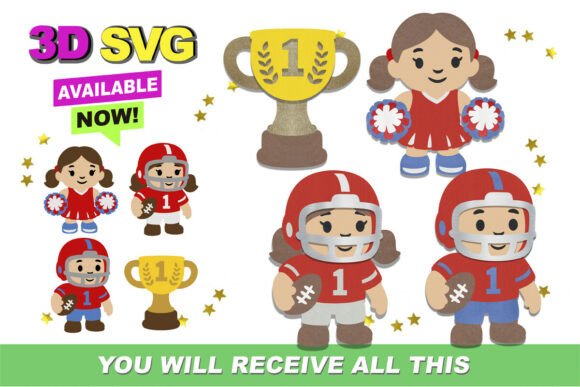
The first thing that struck me about the American Football Elements 3D SVG is its strong thematic identity. The set includes a range of stylized 3D illustrations—rams, eagles, footballs, helmets, and more—all rendered with depth and texture that give them a dynamic presence on any canvas. These elements feel like they were pulled straight from a high-energy sports poster or a bold merchandise label, which immediately tells me this asset has potential for themed projects.
What stands out is the balance between detail and scalability. Unlike some overcomplicated vector graphics, these SVG files maintain their crispness even when resized for smaller applications like stickers or social media thumbnails. However, there are moments where the 3D effects can get a bit busy if not managed carefully within the layout.
Real-World Applications for Creative Designers
I tested the American Football Elements 3D SVG across several design scenarios relevant to the client’s needs. Here’s how it performed:
- Product Labels & Packaging Design: The elements added a punchy, recognizable look to custom packaging mockups. Placing a football helmet icon next to the product name helped reinforce the brand theme without overwhelming the message.
- Social Media Graphics & Instagram Posts: Used as decorative accents or hero visuals, the 3D icons made the posts pop and aligned well with the boutique's seasonal campaign. They worked especially well when paired with warm, autumnal color schemes.
- T-Shirt Design & Merchandise: When incorporated into t-shirt mockups, the elements brought a vibrant, youthful energy. Their layered design allowed for easy customization using Cricut Design Space, making them ideal for crafters and print-on-demand sellers looking to offer personalized options.
- Editorial Design & Flyers: As supporting graphics, they enhanced the overall mood of promotional flyers. But in crowded layouts, they required careful placement to avoid cluttering the visual hierarchy.
- Printable Wall Art & Canva Templates: The 3D style gave wall art a modern, eye-catching appeal. In Canva templates, the elements functioned smoothly and maintained quality across different output sizes.
Where This Design Asset Shines
There are specific areas where the American Football Elements 3D SVG truly excels:
- Themed Collections: If your project revolves around a sports theme, these elements provide an instant sense of cohesion and excitement.
- Large Layout Areas: Whether you're designing a poster, a website banner, or a product mockup, the 3D effect adds dimension and interest when given enough space.
- Commercial Design Assets: For digital sellers, Etsy shops, or print-on-demand platforms, these SVGs offer ready-to-use components that can elevate the perceived value of a product.
- Decorative Accents: When used sparingly, the elements serve as great embellishments for invitations, stickers, or blog headers, adding a playful yet polished touch.
Use With Caution: Avoid Overuse in Complex Layouts
While the American Football Elements 3D SVG is versatile, there are situations where it might not be the best fit:
- Small Sizes: The intricate details of the 3D designs can become less effective at tiny scales, such as favicon or micro-icon use.
- Crowded Layouts: Adding too many elements in one composition can reduce clarity and disrupt the visual flow. It’s important to let each illustration breathe.
- Professional Corporate Materials: The 3D style may be too casual for formal business presentations or high-end corporate branding. It leans toward a more fun, lifestyle-oriented aesthetic.
- Low-Contrast Designs: On lighter backgrounds or when paired with pastel tones, the elements can lose their vibrancy unless contrast is intentionally adjusted.
Impact on Brand Consistency and Visual Trust
In the context of the boutique’s brand identity, these elements contributed positively to the emotional appeal of the designs. They helped create a sense of excitement and community, which is essential for a local event-based marketing strategy. However, I noted that for consistent branding, they should be used alongside a strong typography system and cohesive color palette.
When compared against different font styles—such as serif, sans-serif, script, and display fonts—the 3D SVG elements performed best with bold, modern typefaces. Script and handwritten fonts, while stylish, could clash with the clean lines of the 3D shapes. For logo design or header text, it’s crucial to ensure the elements complement rather than compete with the chosen font.
Design Notes for Professionals
Before committing to using this design asset for a client project, here are some key considerations based on my review:
- Test in Black and White: The 3D shading gives these graphics their visual weight, but if the project requires grayscale versions (for example, in printed materials), test how the elements hold up without color.
- Check Contrast on Light and Dark Backgrounds: The file includes PNGs, which can help with previewing how the elements will appear in different lighting conditions. Transparency is handled well, allowing seamless integration into layered designs.
- Preview at Small and Large Sizes: Confirm legibility and visual integrity at various dimensions, especially for digital ads or mobile-first content.
- Place on Real Mockups: I found that placing the elements on actual product mockups, like mugs and tote bags, revealed their adaptability and gave a clearer sense of their impact in commercial settings.
- Test Print Quality: For physical products, always check the resolution and layer separation in print tests. This ensures no loss of detail during production.
- Review File Formats: The download includes SVG files in a zipped folder, which are compatible with Silhouette Studio and Cricut Design Space. This makes it easy for crafters and designers using those tools to integrate the elements into their workflows.
- Confirm Commercial Licensing: Always verify the terms of use before deploying any design asset for client or business projects. This bundle is clearly intended for commercial use, but it’s good practice to double-check the license included in the purchase.
Why This Might Be a Useful Creative Asset
For designers working with handmade businesses, Etsy shops, or local boutiques, the American Football Elements 3D SVG offers a valuable toolkit. It brings a level of polish and thematic consistency that’s often missing from generic clipart or flat illustrations. Its compatibility with popular crafting software also makes it accessible for non-designer clients who want to create their own Cricut projects or DIY merchandise.
From a technical standpoint, the vector format allows for precise editing and scaling, which is essential for maintaining quality in both digital and print formats. This makes it suitable for a wide range of outputs—from editorial design to sublimation printing on athletic gear.
Final Thoughts: A Strong Addition to Your Craft & Design Toolkit
In conclusion, the American Football Elements 3D SVG is a compelling choice for designers needing to add visual flair to sports-themed projects. It supports a variety of crafts and graphics applications, from posters and packaging to social media content and merchandise. While it may not be ideal for minimalist branding or high-corporate environments, it thrives in contexts that benefit from a bold, dimensional aesthetic.
If you’re preparing a visual concept for a small business or seasonal campaign, consider how these elements can enhance your design direction. Just remember to apply them thoughtfully, ensuring they support readability, visual hierarchy, and brand recognition rather than detracting from them.